
Diarrhea Treatment: Causes, Medicine & Home Remedies | Dr. Ali Taj
How is diarrhea treated? Most diarrhea settles on its own within a few days. The first-line treatment is oral rehydration solution (ORS) to replace lost water and salts. For children, the WHO also recommends a short course of zinc. Antibiotics help only in specific bacterial infections. See a doctor for bloody stools, high fever, signs of dehydration, or diarrhea lasting more than a few days.
Understanding Diarrhea and Its Causes
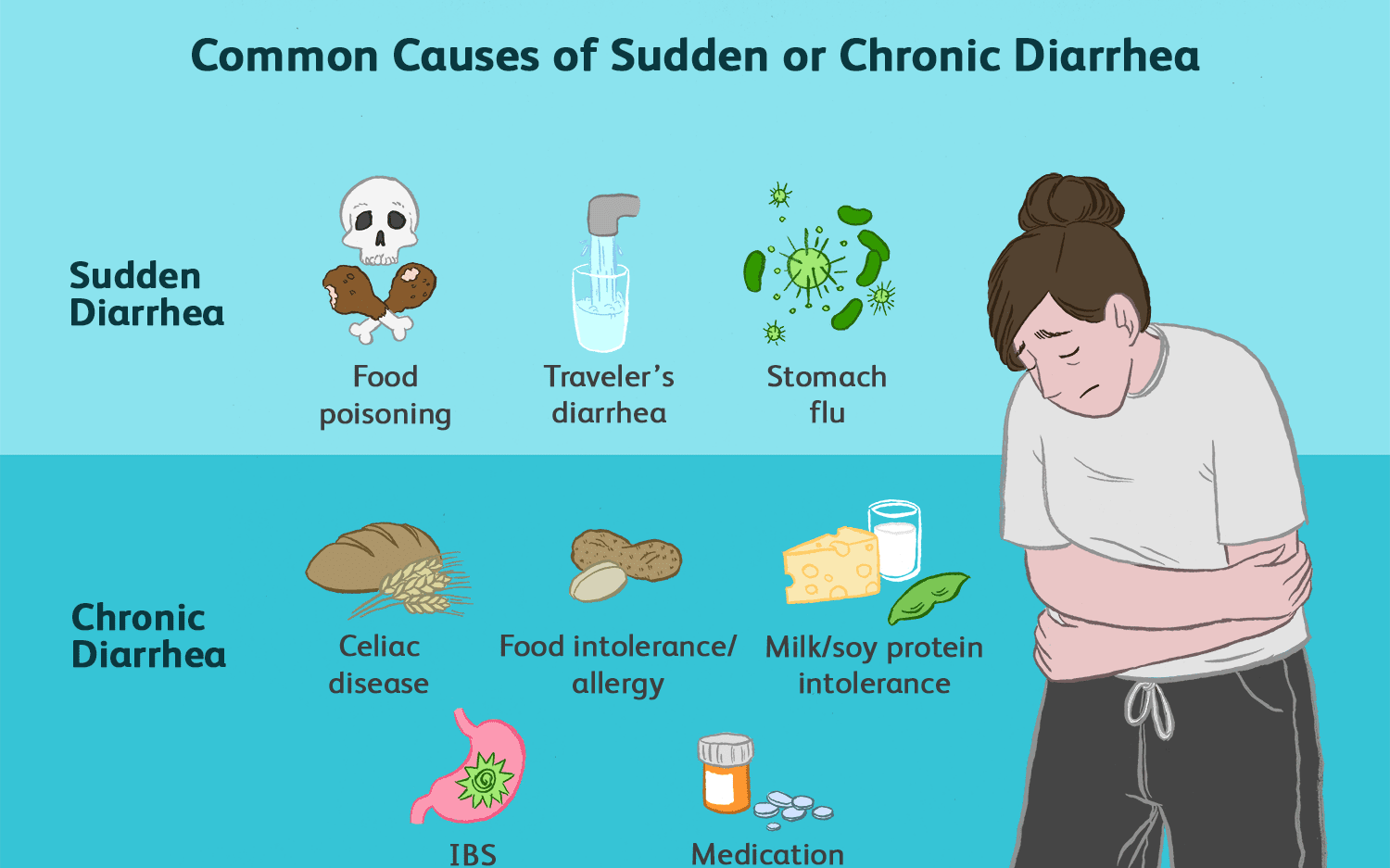
Diarrhea can be acute or chronic, with numerous potential causes including infections, dietary factors, irritable bowel syndrome (IBS), and medication side effects. Identifying the underlying cause is crucial for effective treatment. Common causes include:
- Infections: Viral, bacterial, or parasitic infections can lead to diarrhea.
- Food intolerances and allergies: Such as lactose intolerance.
- Medications: Certain medications like antibiotics can cause loose stools.
- Chronic digestive conditions: Such as IBS or inflammatory bowel disease.
Effective Diarrhea Treatments
The appropriate diarrhea treatment depends on the underlying cause. However, general measures include:
- Hydration: Replenishing lost fluids is crucial. Oral rehydration solutions are particularly effective.

Drinking adequate amounts of clean, purified water is your primary defense for maintaining bowel health. © Getty Images
-
Dietary adjustments: Eating bland, easy-to-digest foods like toast, rice, and bananas can help.
-
Medications: Over-the-counter antidiarrheal medications can provide relief. However, they are not suitable for all types of diarrhea, especially if caused by certain infections.
For more specific conditions:
- Antibiotics: Necessary if diarrhea is caused by a bacterial infection.
- Probiotics: Can help restore gut flora balance.
- IBS-D treatment: Includes dietary changes, stress management, and prescribed medications.
Home Remedies and Lifestyle Changes
Simple home remedies and lifestyle adjustments can significantly impact managing diarrhea:
- Stay hydrated: Drink plenty of water and consider oral rehydration solutions.
Using sealed bottled water helps prevent exposure to contaminated local networks. © Getty Images
- Avoid irritants: Cut back on caffeine, alcohol, and spicy foods.
- Eat soluble fiber: Helps to solidify stools.
When to Seek Medical Attention
Consult a healthcare provider if experiencing severe symptoms, such as persistent diarrhea, signs of dehydration, bloody or black stools, or high fever.
Diarrhea in Pakistan: Why Prevention Matters Locally
Diarrheal illness is one of the most common reasons patients — especially parents with young children — visit clinics in Pakistan. In the 2017-18 Pakistan Demographic and Health Survey, 19% of children under five had diarrhea in the two weeks before the survey, yet only 37% received ORS and just 8% received both ORS and zinc — the combination the WHO recommends as first-line treatment. Globally, the WHO counts nearly 1.7 billion episodes of childhood diarrheal disease every year and ranks it among the leading causes of death in children under five — most of it preventable with safe drinking water, sanitation, and timely rehydration.
In Karachi, the risk rises during the monsoon season and in areas with intermittent or contaminated water supply. Dr. Ali Taj advises families to treat ORS as the default first response to watery diarrhea at any age. It is inexpensive, available at almost every pharmacy in the city, and far more effective at preventing dangerous dehydration than stopping the stools with medication.
How can you prevent diarrhea?
Most diarrhea in Karachi is preventable, and the three biggest levers are safe water, safe food, and clean hands. Boil, filter, or use sealed bottled water. Avoid ice and cut fruit from roadside stalls, wash hands with soap before meals and after the toilet, and keep cooked food covered and refrigerated. For infants, breastfeeding and the rotavirus vaccine cut the risk sharply.
Prevention is not the same as treatment. ORS and zinc help an episode that has already started; the steps below are what stop the next one.
- Drink only boiled, filtered, or sealed bottled water, and use it for ice and brushing teeth too.
- Wash hands with soap for 20 seconds before eating, before cooking, and after using the toilet.
- Go easy on street food in hot weather, especially cut fruit, chaat, gola ganda, and anything rinsed in tap water.
- Cook meat and eggs thoroughly, and refrigerate leftovers within two hours in Karachi’s heat.
- Keep young children’s rotavirus and, where advised, typhoid vaccinations up to date.
Diarrhoeal disease is both preventable and treatable.
Travelers’ Diarrhea: Advice for Visitors to Karachi
Visitors get sick for a reason residents mostly don’t: immunity. Someone who grew up in Karachi has been exposed to the local bacteria for years and carries partial tolerance to them. A tourist arriving from Europe or North America carries none, so the same glass of water a resident drinks without incident can put a visitor in bed for three days. Most cases start in the first week, usually between days two and seven.
The usual causes are enterotoxigenic E. coli, which accounts for more cases than anything else, along with Campylobacter, Salmonella and Shigella from contaminated food, Giardia from water, and viral causes such as norovirus. The NHS Fit for Travel guidance covers the same ground for travellers heading the other way.

Microscopic view of waterborne pathogens in unsafe water supplies. © Getty Images
Water and food rules that actually matter
The old travel-medicine line — boil it, cook it, peel it, or forget it — still holds. In practice, for Karachi:
- Drink only sealed bottled water, and check the seal is intact before opening it. Use it for brushing your teeth too.
- Skip ice. It is usually made from tap water, so it undoes the bottled water you just paid for.
- Eat food that arrives steaming hot, and fruit you peel yourself.
- Avoid raw salad, pre-cut fruit from stalls, unpasteurised dairy, and buffet food that has been sitting out.
- Outside the city, boil water for a full minute, or carry purification tablets as backup.
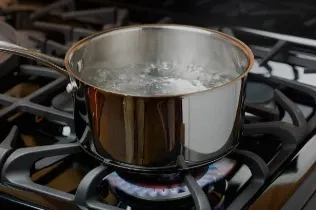
Bringing water to a rolling boil for at least 1 minute destroys the pathogens behind most waterborne illness. © Unsplash
Risk changes with the season
Monsoon, July to September, is the worst window: water contamination rises and flooding damages infrastructure. Summer, April to June, is next, because heat accelerates bacterial growth and food spoils faster. December to March is the safest period to visit.
How long it lasts
Viral cases usually settle in two to three days. Bacterial ones run three to seven days untreated, though they often improve within a day or two once rehydration starts. Symptoms that persist beyond two weeks need evaluation for a parasitic infection rather than more home remedies.
What to bring
ORS sachets, hand sanitiser, water purification tablets, and a thermometer cover most of it. ORS is sold at almost every pharmacy in Karachi, so there is no need to overpack — but a few sachets on arrival mean you can start rehydrating straight away instead of hunting for a pharmacy while ill.
Frequently Asked Questions
Q: How soon after arriving in Pakistan might I develop travelers diarrhea? A: Most cases develop within the first week of arrival, typically between days 2 and 7. Some visitors experience symptoms as early as 24 hours after exposure to contaminated food or water.
Q: Can I continue traveling with mild travelers diarrhea? A: Mild cases that don’t interfere with your activities can often be managed while you keep travelling. Stay hydrated, keep your diet plain, and avoid strenuous activity. If symptoms worsen or don’t improve within 2 to 3 days, see a doctor.
Q: Is it safe to eat at hotels in Karachi? A: Established hotels and restaurants generally maintain higher food safety standards, but the same precautions still apply: eat food served hot, avoid raw items, and drink only sealed bottled water.
Q: Will I develop immunity if I visit Pakistan regularly? A: Partial immunity builds only with repeated exposure over years of continuous living in the region. Short-term visitors do not develop meaningful protection, so prevention matters on every visit.
Q: What is the best time of year to visit Pakistan to minimise illness risk? A: December through March is the lowest-risk period, when cooler temperatures slow pathogen growth. Monsoon season, July to September, carries the highest contamination risk.
In children, dehydration is the real danger, covered in bachon mein dast ka ilaj. When loose motions come with cramps and fever, a stomach infection is often the cause.
Diarrhea is usually short-lived and manageable, but persistent or severe symptoms, dehydration, or blood in the stool need a proper assessment rather than more home remedies. Learn more about our services.
Medical Disclaimer: This information is for educational purposes only. Always consult with a qualified healthcare provider for proper diagnosis and treatment of diarrhea and other digestive disorders.