
Gastroenterology
Marod In English: Stomach Cramps Meaning & Causes
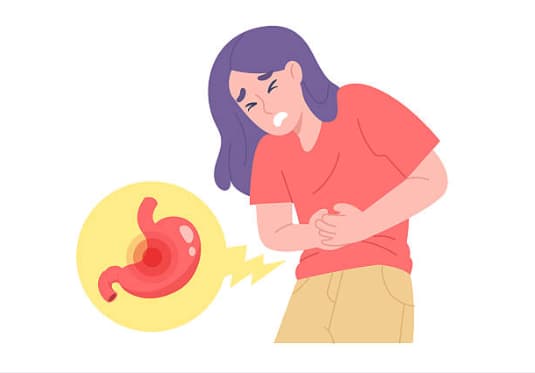
Marod (مروڑ) in English is a cramp — most often a stomach cramp or abdominal cramp. The medical term is abdominal colic. Marod is that gripping, twisting pain that builds, peaks, and eases in waves, quite different from a steady ache. Patients also spell it maror, maroor, or marod.
In an OPD, when someone says “pait mein maror ho raha hai,” they are usually describing a spasm in the gut wall. The muscle tightens hard, then relaxes. The most common reasons I look for are trapped gas, a stomach infection, or an irritable bowel, and in Karachi contaminated water and roadside food make the infective type common.
Cramps in waves. That is the clue.
Marod ko English mein kya kehte hain?
Marod in English is called cramps, and in the context of the belly it is stomach cramps or abdominal cramps. Doctors use the word colic for pain that grips and releases in waves, so cramping gut pain is often written as abdominal colic.
Marod aur pait dard mein kya farq hai?
Pait dard is any abdominal pain, while marod is one specific type of it. A spasm that grips and goes, often just before you pass gas or stool. If your pain is the steady kind rather than a cramp, the stomach pain causes and home remedies guide is the better read.
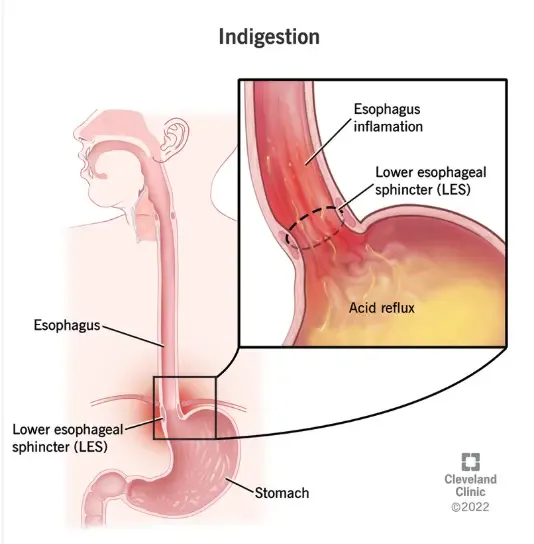
Abdominal cramps (marod) typically affect the stomach and intestinal area, coming in waves rather than steady pain. © Medical illustration
Marod kyu hota hai?
Marod happens when the muscle in the gut wall goes into spasm, and the three everyday triggers are gas, infection, and an irritable bowel. Trapped gas stretches the bowel and makes it clamp down. An infection inflames the lining. In irritable bowel syndrome, the gut simply over reacts to normal signals.
In Karachi, the infective type is common. Unfiltered water, ice from unknown sources, and street food carry bacteria and parasites that inflame the gut and set off cramping with loose motions.

Bacteria and parasites from contaminated water and street food are common causes of infective stomach cramps in Karachi. © Medical illustration
When cramps come without loose motions but keep returning for months, irritable bowel syndrome may be the hidden cause.
Abdominal pain that comes on suddenly and is severe, or does not go away, should be checked by a doctor.
Iski alamat aur ghar par kya karein?
Marod usually announces itself as a wave of gripping pain, often low in the belly, sometimes with bloating, urgency, or loose motions. For a simple cramp, a few practical steps ease the spasm at home while you watch how it behaves.
- Sip warm water slowly; it relaxes a cramping gut better than cold drinks. Ginger tea can also help settle the stomach.
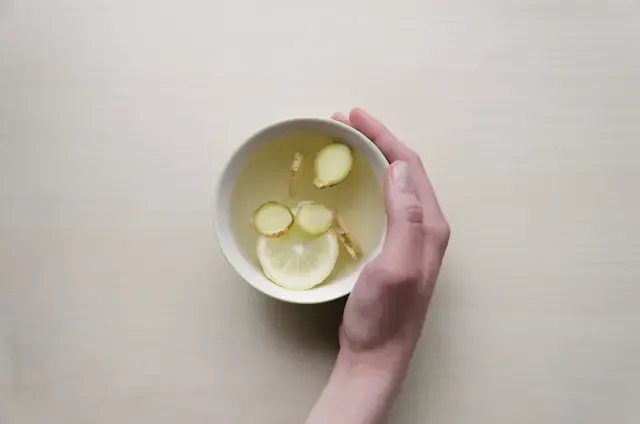
Ginger tea is a natural remedy that can help settle stomach cramps and digestive discomfort. © Unsplash
- Put a warm compress or hot-water bottle on the belly.
A warm compress or hot-water bottle on the belly can help relax cramping muscles. © Unsplash
- If there are loose motions, start oral rehydration early to replace lost water and salts. Use bottled water if tap water quality is uncertain.

In Karachi, using bottled water for oral rehydration is safer when tap water quality is uncertain. © Unsplash
- Rest and eat light, plain food such as rice, banana, or khichri rather than oily or spicy meals.
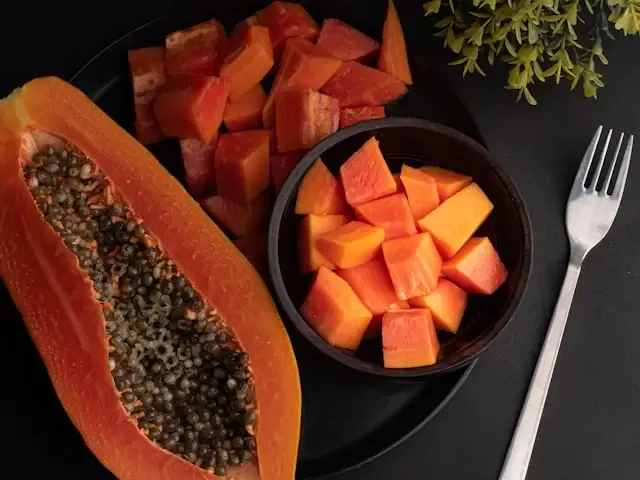
Light, easily digestible foods like papaya, rice, and banana help ease stomach cramps better than oily or spicy meals. © Unsplash
If cramps come with diarrhoea that keeps going, read about pait mein infection - causes and treatment. For the full treatment discussion of cramps themselves, pait mein maror ka ilaj goes deeper.
Kab doctor ko dikhana chahiye?
See a doctor when marod is severe, lasts more than a day or two, keeps returning, or comes with warning signs. Blood in stool, black stool, high fever, persistent vomiting, a hard swollen belly, or signs of dehydration such as very little urine all need proper assessment rather than more home remedies.
Do not push through severe cramps.
Seek emergency care now if you have: sudden severe abdominal cramps that will not ease, a rigid or very tender belly, repeated vomiting, blood in stool or black tarry stool, or cramps with fainting and cold sweat. These can point to a serious abdominal problem that needs same-day evaluation.
Aksar puchhe jaane wale sawaalat (FAQs)
Marod ko English mein kya kehte hain? Marod in English is called cramps, usually stomach cramps or abdominal cramps. The medical term is abdominal colic or cramping abdominal pain. It describes a gripping, twisting pain that comes in waves rather than a steady ache.
Pait mein maror ka matlab kya hai? Pait mein maror means a twisting or gripping cramp in the abdomen. It happens when the muscle in the gut wall tightens hard, often because of gas, an infection, or an irritable bowel. Marod that comes with loose motions usually points to a stomach infection or food that did not agree with you.
What is the difference between marod and pait dard? Pait dard is a general word for any abdominal pain. Marod is a specific kind of pain: a cramp that grips and lets go in waves, often just before passing stool or gas. All marod is pait dard, but not all pait dard is marod.
Marod kyu hota hai? Common causes are trapped gas, a stomach or intestinal infection, food poisoning, constipation, and irritable bowel syndrome. In women, period cramps can also cause lower-abdominal marod. In Karachi, contaminated water and street food are frequent triggers of the infective type.
Marod ka fori ilaj kya hai? For simple cramps, sips of warm water, a warm compress on the belly, and rest often ease the spasm within an hour or two. If there are loose motions, oral rehydration matters most. Avoid taking strong painkillers on your own, as they can mask a serious cause.
Marod ke sath kab doctor ko dikhana chahiye? See a doctor for cramps that are severe, last more than a day or two, or come with blood in stool, black stool, high fever, persistent vomiting, a swollen tender belly, or dehydration. Sudden severe cramps that will not ease need urgent assessment.
Last clinically reviewed: July 16, 2026 by Dr. Muhammad Ali Taj, F.C.P.S. (Gastroenterology).
This article is for general information only. It is not a substitute for personalised medical advice, diagnosis, or treatment. If your symptoms worry you, especially blood in stool, severe pain, persistent vomiting, or dehydration, see a doctor promptly.
Karachi mein appointment
For non-emergency digestive symptoms, Dr. Muhammad Ali Taj consults at Ziauddin Hospital, Clifton, Hill Park General Hospital, Life Care Consultant Clinics, and Usman Memorial Hospital. To book an appointment, visit the consultation schedule page.